Chasen - matcha bamboo whisk
Lowest price in 30 days: 49,00 zł
Free deliveryfrom PLN 150
Fast shippingwe ship within 24 hours
Secure paymentpay via PayU
Discounts up to 20%for regular customers
Choose options
Chasen - matcha bamboo whisk
Lowest price in 30 days: 49,00 zł
Chasen, the Traditional Matcha Whisk
The chasen is a traditional bamboo whisk used to whip up matcha, used during chado, the Japanese tea ceremony. Because of its shape, it's often informally called a "brush" - precise cuts create flexible tines that are gently curved at the bottom and gathered together at the top, finished with a handle.
The chasen is an essential part of any matcha set. At Moya, you'll find it in both our ceremonial sets and our beginner sets. It's a great addition once you already have a matchawan, the bowl used for preparing and drinking matcha. The bowl's straight sides and wide base make it easy to whisk the tea into the water using a chasen and quickly build up a layer of foam on the surface.
The light-colored whisk is mostly handmade from a single piece of 4-5 year old Phyllostachys pubescens bamboo from the Anji region of China. The bamboo is sun-dried for about 7-10 days, then seasoned in storage for a year.
How to use a matcha whisk?
Before use, soak the chasen in hot water. This makes its bristles more flexible, which helps prevent breaking. Start whisking the matcha slowly, gently brushing the tines along the bottom of the bowl to fully blend the powder with the water. Then lift the whisk higher, closer to the surface, and for about 10-20 seconds make brisk wrist movements in a Z or N shape.
The whole process should take about 30-60 seconds, until a thin, smooth layer of foam forms on the surface of the drink. This is possible thanks to the large number of flexible bamboo tines - the more there are, the easier it is to achieve. A standard chasen has 80 tines.
How to care for your chasen?
Right after use, rinse the chasen with water and leave it to dry. It's important not to wash it by hand or in the dishwasher, as this could damage the bamboo fibers. The whisk also shouldn't be stored in a plastic bag or any other airtight container, as this can cause mold to form on its handle.
As the chasen dries, it shrinks, which makes it more brittle and prone to damage - that's why it's worth keeping it on a special naoshi holder. Proper storage will help it keep its shape and last longer. The whisk should be replaced roughly every 6-12 months, depending on how often it's used, or whenever the tines or handle become damaged.
Which chasen should you choose - light or dark?
At Moya, we offer two types of chasen - light and dark. Choosing between them isn't just a matter of looks. Here's how the two whisks differ.
| Chasen | Light | Dark |
| Number of tines | 100 | 80 |
| Flexibility | Higher | Lower |
| Durability | Lower | Higher |
Compare our matcha types
From ceremonial to culinary matcha - choose the matcha that suits how you drink it
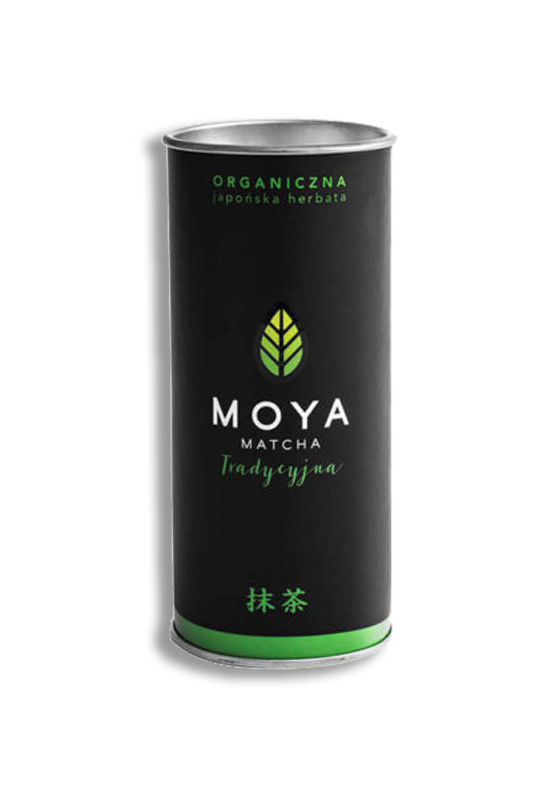
Tradycyjna
Ceremonia herbaciana, z wodą na ciepło lub zimno, matcha latte, koktajle i napoje z matchą
Green shade
Umami
Bitterness
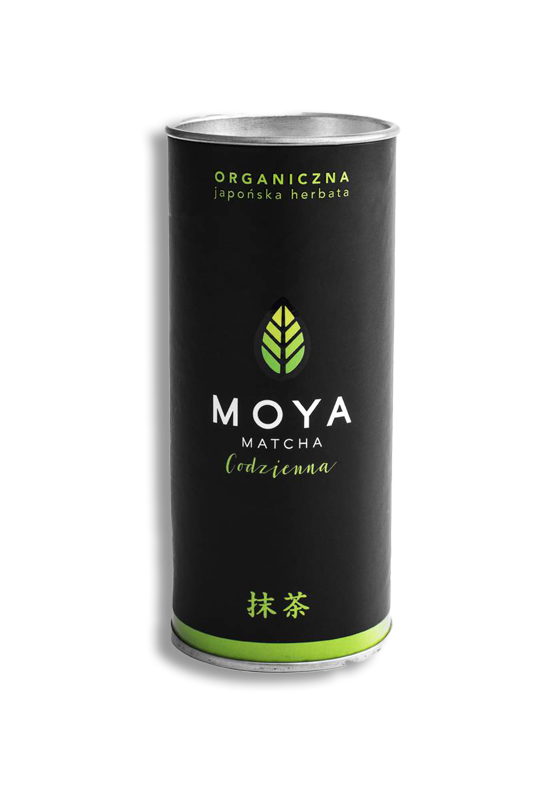
Codzienna
Matcha latte, lemoniada, koktajle, wypieki, słodycze, lody, czekolada
Green shade
Umami
Bitterness
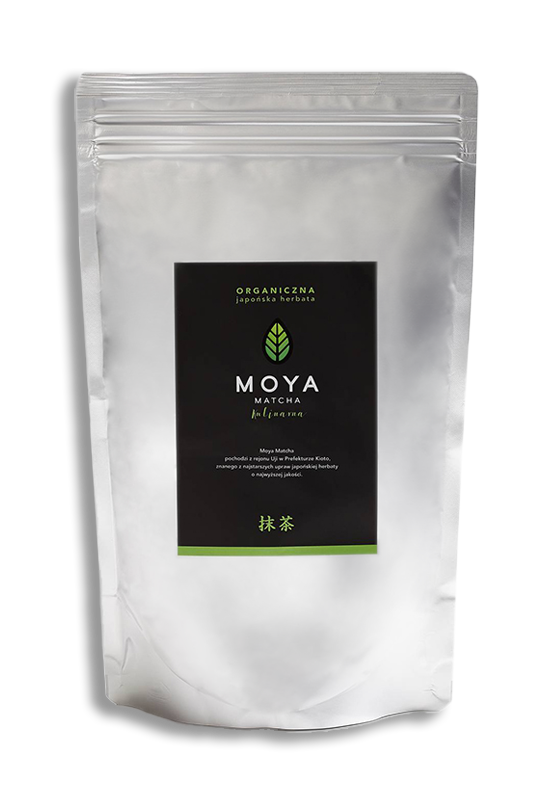
← swipe to see all →
FAQ
Would you like to learn more?
We suggest three ways to prepare matcha. The first is the traditional preparation in a bowl using a chasen whisk, using “M” or “Z” shaped motions. Matcha can also be prepared in a mug or bowl using a milk frother. The third way is to prepare matcha in a shaker or bottle – simply add the matcha to the liquid and shake vigorously for 30 seconds. The optimal water temperature for matcha is approximately 80°C. Higher temperatures will cause the matcha to lose its nutritional value. You can also easily prepare matcha in cold water. The optimal amount of matcha is about 1.5 g of powder per 200-250 ml of liquid.
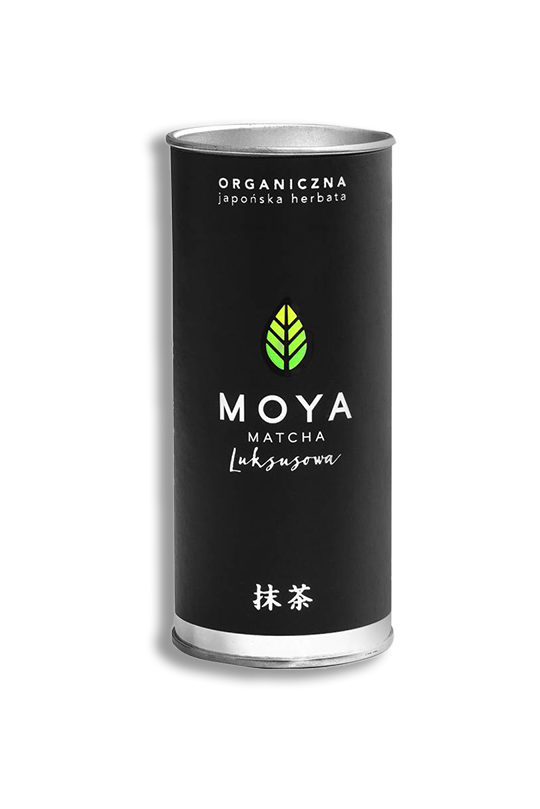
The most versatile and frequently chosen option is Traditional Matcha. It comes from the first and second harvest of leaves, which contributes to a moderate level of bitterness and a distinct umami taste. It is an excellent choice for drinking with water as well as in the form of matcha lattes and smoothies. For experienced matcha connoisseurs, we recommend Luxury Matcha from the first harvest, which is perfect for drinking with water and contains the most nutrients. If you like an intense flavor and use matcha mostly for matcha lattes, smoothies, desserts, and baked goods, choose Daily Matcha, which comes from the second and third harvest.
Matcha is very sensitive to sunlight and high temperatures, which can cause it to lose its properties. Matcha should be stored in its original, sealed packaging in a shaded, cool place, preferably in the refrigerator. This will ensure it stays fresh for a long time.
Loose-leaf tea is consumed as an infusion, meaning what the leaves release into the water. Matcha, on the other hand, consists of powdered tea leaves that are consumed in their entirety after being mixed with liquid. By drinking matcha, you are therefore consuming the whole leaves. In this way, all the nutrients contained within them enter your body. Furthermore, matcha is several times more potent than loose-leaf tea.
Be inspired
Matcha recipes
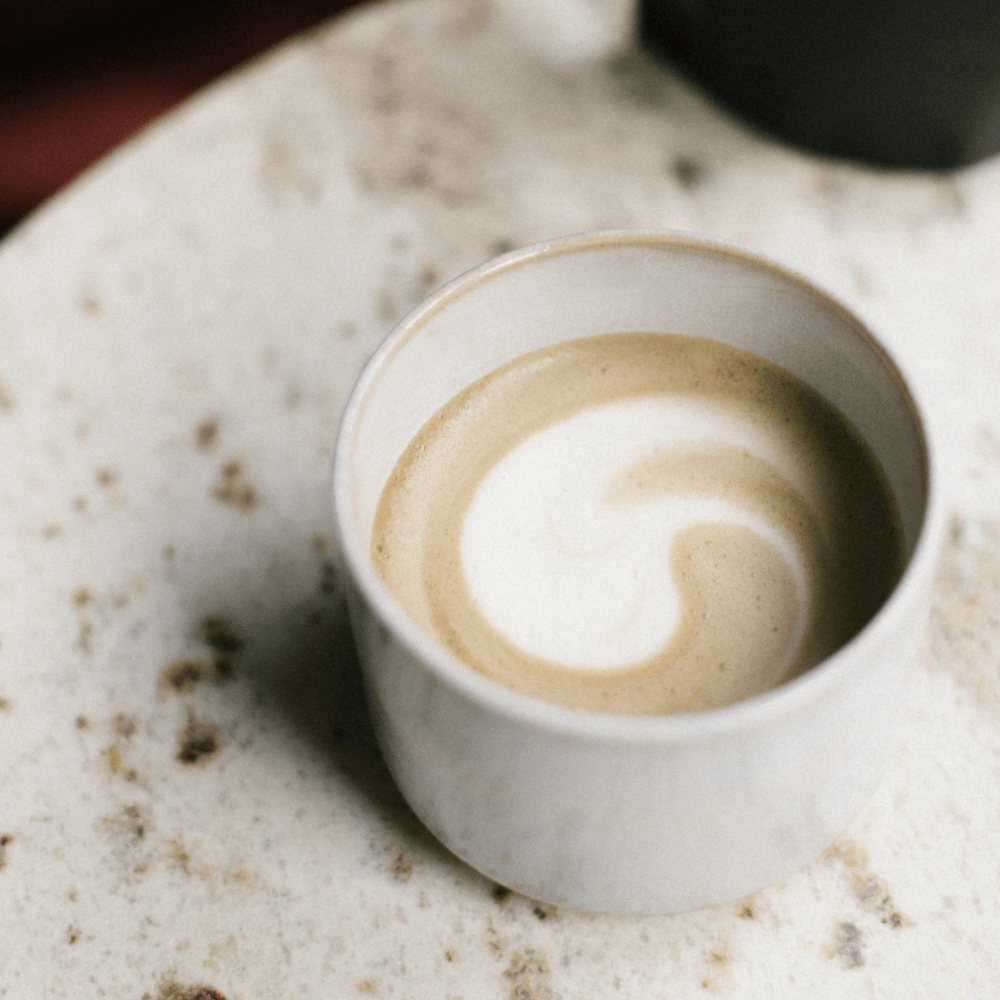
Hojicha latte has plenty of fans all over the world. It's made using powdered hojicha, a little water, and frothed milk. But before we get to drinking it, it's worth explaining what this powder act...
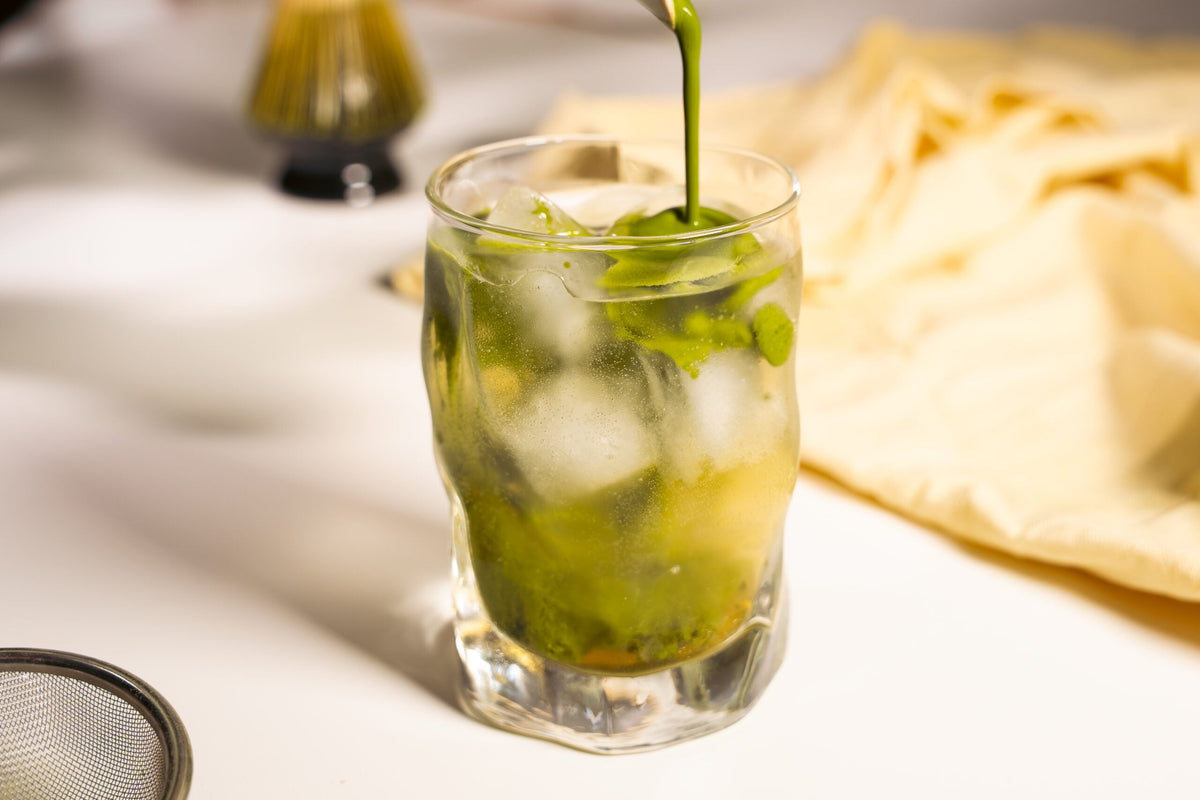
A sparkling refresher for the hottest days. Homemade jasmine syrup, fizzy bubbles, and vibrant green matcha come together in one glass to create a drink as light as a summer breeze. Jasmine's flor...
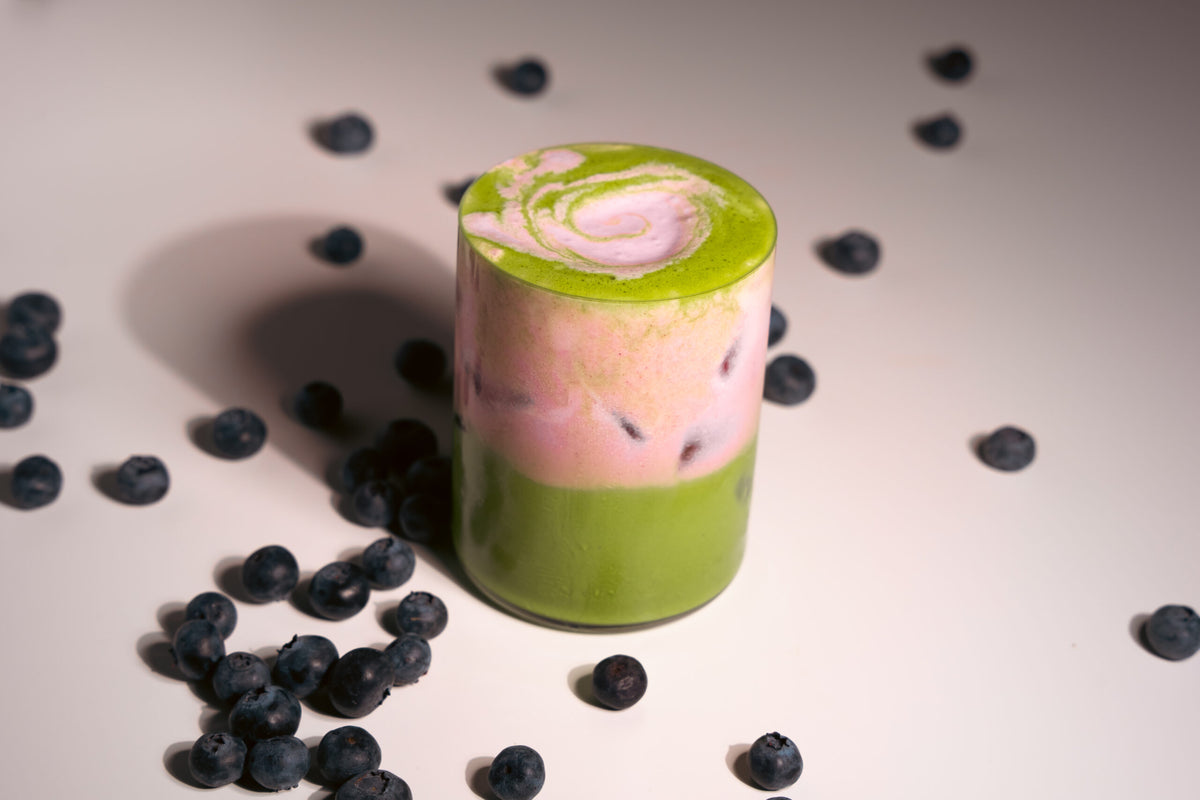
Iced matcha that looks like a summer sunset captured in a glass. A layer of cool milk, vividly green matcha, and a fluffy blueberry foam on top come together to create a drink that's every bit as b...

Pack Creator
Create the perfect set
Perfect as a gift or to start your matcha ceremony journey – build a set exactly the way you want.
We share knowledge
Get to know matcha better

Does-matcha-support-weight-loss
Can a cup of matcha genuinely help with weight loss? It's a question many people searching for natural support in reducing body weight ask themselves. Matcha – powdered green tea – has grown in p...
Read
Green tea and deacidification – how it balances your body’s pH
The human body can be described as a complex piece of machinery, vulnerable to a range of factors that may disrupt its balance. One example of such disruption is bodily acidification. This state c...
Read
Does green tea calm you down – myth or fact?
Green tea is a genuine treasure trove of valuable nutrients and health-boosting properties. For thousands of years, it has been regarded as a remedy for body, mind and spirit. Its devotees reach fo...
Read